

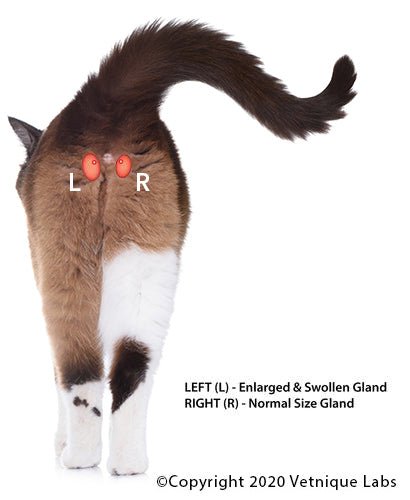
To express cat anal glands properly, you must be thorough yet gentle. Begin by locating the glands on either side of the anus. Gently apply pressure to release the fluid, ensuring your cat’s comfort throughout the process. Understanding how to express cat anal glands can help prevent discomfort and potential health issues for your feline friend.

How to Express Cat Anal Glands: A Complete Guide for Pet Owners
Welcome, fellow pet parents! Today, we’re diving into a topic that might not be the most glamorous but is essential for your feline friend’s health and comfort – expressing cat anal glands. While it may sound intimidating, with the right information and techniques, you can learn how to perform this task safely and effectively at home. Let’s explore everything you need to know about expressing your cat’s anal glands.
Understanding Cat Anal Glands
Before we delve into the nitty-gritty of expressing cat anal glands, let’s first understand what they are and why they are important. Anal glands are small sacs located on either side of your cat’s anus. These glands produce a strong-smelling fluid that is used for marking territory and communication with other cats. Under normal circumstances, the fluid is naturally released when your cat defecates.
However, sometimes these glands can become blocked or impacted, leading to discomfort and potential health issues for your furry friend. Signs that your cat’s anal glands may need to be expressed include scooting their bottom on the floor, excessive licking or biting around the anal area, and a foul odor.
When to Express Cat Anal Glands
It’s essential to pay attention to your cat’s behavior and physical signs to determine when their anal glands need to be expressed. While some cats may never require manual expression, others may need regular assistance. If you notice any of the following signs, it may be time to express your cat’s anal glands:
1. Scooting
Does your cat drag their bottom on the floor or carpet? This behavior could indicate that their anal glands are uncomfortable or blocked.
2. Excessive Licking
If your cat is constantly licking or biting around their anal area, it could be a sign of anal gland issues that need attention.
3. Foul Odor
A strong, unpleasant smell coming from your cat’s rear end may signal a problem with their anal glands that requires expressing.
How to Express Cat Anal Glands: Step-by-Step Guide
Now that you understand the importance of expressing your cat’s anal glands let’s walk through the process step by step. Remember, if you’re unsure or uncomfortable with performing this task, it’s always best to seek advice from a veterinarian or professional groomer.
Step 1: Gather Your Supplies
Before you begin, make sure you have all the necessary supplies on hand. You will need disposable gloves, a mild pet-friendly lubricant, and some clean, soft tissues or cotton balls.
Step 2: Position Your Cat
Find a quiet, calm space to work with your cat. You may need another person to help hold your cat still during the process. Gently but firmly hold your cat in a comfortable position, either sitting or lying down.
Step 3: Locate the Anal Glands
Feel for the two small sacs located on either side of your cat’s anus. The glands are about the size of a pea and can be slightly swollen or sensitive if they need to be expressed.
Step 4: Apply Lubricant and Express the Glands
Put on your gloves and apply a small amount of lubricant to your gloved finger. Gently place your finger near the anal opening and apply gentle pressure to the glands, squeezing them in a squeezing motion. You may see a small amount of fluid or debris come out. Be sure to clean your cat’s bottom with a tissue or cotton ball afterward.
Step 5: Reward and Monitor Your Cat
After expressing your cat’s anal glands, be sure to praise and reward them for their cooperation. Monitor your cat for any signs of discomfort or continued issues with their anal glands. If problems persist, consult your veterinarian for further guidance.
Tips for Expressing Cat Anal Glands Safely
Expressing your cat’s anal glands can be a bit messy and unpleasant, but with practice and patience, you can master this essential skill to keep your feline friend healthy and happy. Here are some additional tips for safely expressing your cat’s anal glands:
1. Regular Maintenance
It’s a good idea to check your cat’s anal glands regularly to catch any issues early. This can help prevent discomfort and potential complications down the road.
2. Seek Professional Help If Needed
If you’re not comfortable expressing your cat’s anal glands or if your cat is showing signs of infection or severe discomfort, don’t hesitate to seek help from a veterinarian or groomer.
3. Use Proper Technique
Be gentle and patient when expressing your cat’s anal glands. Avoid using excessive force, as this can cause pain or injury to your cat.
Caring for your cat involves many aspects, including tasks that may not be the most pleasant, such as expressing anal glands. By understanding why and how to express your cat’s anal glands, you can help prevent discomfort and health issues for your beloved pet. Remember, practice makes perfect, so don’t be discouraged if it takes a few tries to get the hang of it. Your cat will thank you for keeping them happy and healthy!
External anal gland expression on a cat
Frequently Asked Questions
How can I express my cat’s anal glands at home?
To express your cat’s anal glands at home, you can follow these steps: 1. Put on gloves and have a towel handy. 2. Gently lift your cat’s tail and locate the anal glands on either side of the anal opening. 3. Apply gentle pressure to the glands using your fingers in a squeezing motion. 4. Be prepared for some foul-smelling secretion to come out. 5. Wipe your cat’s rear end clean with a damp cloth. It’s advisable to consult a veterinarian or a professional groomer for guidance before attempting this procedure.
What are the signs that my cat’s anal glands need to be expressed?
Some signs that your cat’s anal glands may need to be expressed include scooting or dragging their bottom along the floor, excessive licking or biting around the tail area, foul odor coming from the cat’s rear end, or visible swelling or redness near the anal opening. If you notice any of these signs, it may be time to consider expressing the anal glands.
Is it necessary to express my cat’s anal glands regularly?
While some cats may never need their anal glands expressed, others may require it periodically. It’s essential to pay attention to your cat’s behavior and any signs of discomfort mentioned earlier. Regular grooming and a high-fiber diet can help prevent the anal glands from becoming impacted. Consulting a veterinarian for advice on a proper maintenance routine is recommended.
Can I express my cat’s anal glands myself if I’m unsure how to do it?
If you’re unsure how to express your cat’s anal glands, it’s best to seek guidance from a professional groomer or veterinarian. They can demonstrate the proper technique and provide you with tips to make the process easier and less stressful for both you and your cat. It’s crucial to avoid causing any harm or discomfort to your cat by attempting the procedure without proper knowledge.
Final Thoughts
In conclusion, knowing how to express cat anal glands is a valuable skill for cat owners. Regularly checking and expressing the glands can prevent discomfort and health issues for your feline friend. Remember to seek guidance from a veterinarian if you are unsure about performing the procedure. By staying proactive and attentive to your cat’s needs, you can ensure their well-being and happiness.
